
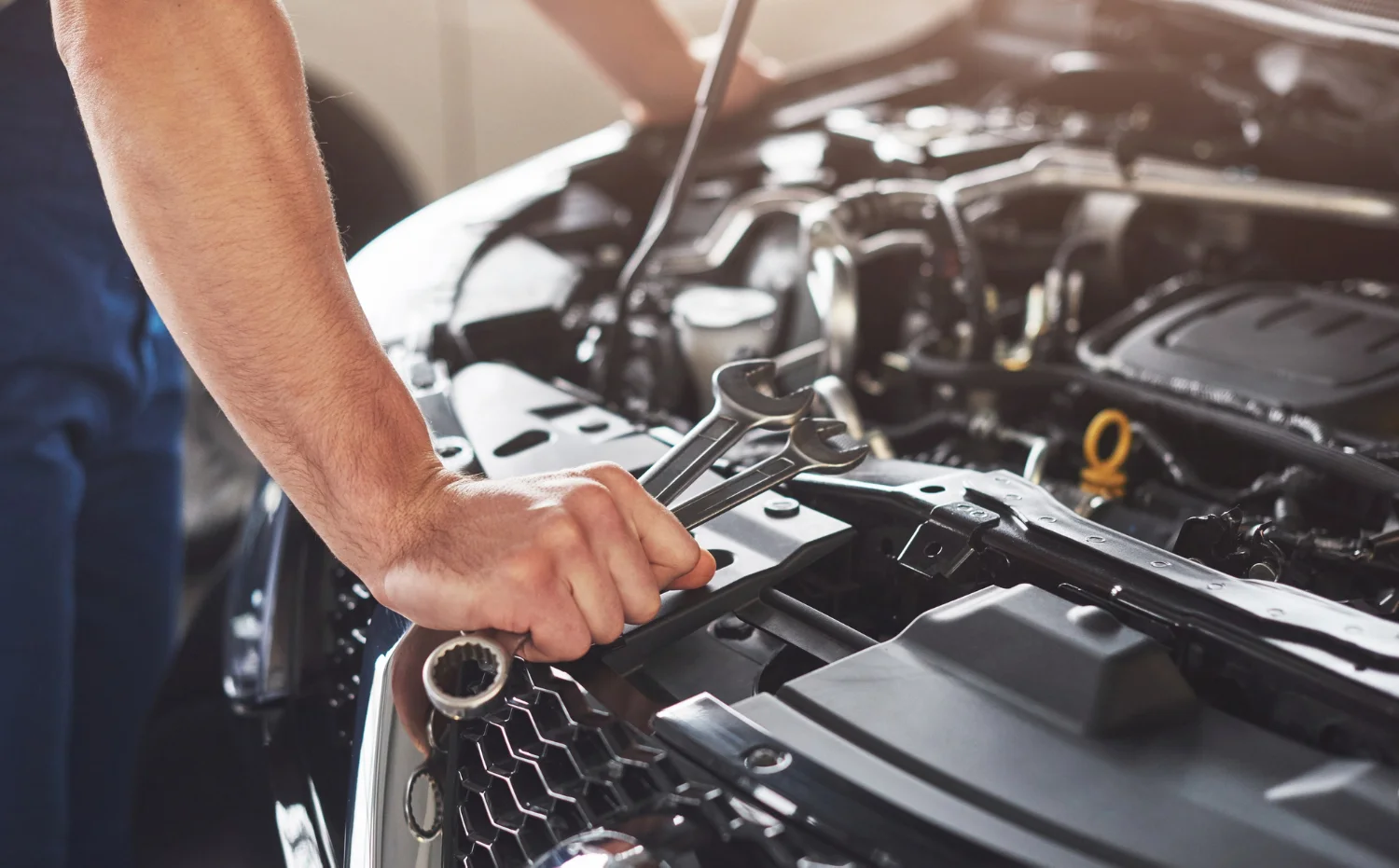
Car Maintenance Tips Every Driver Should Know
Owning a car does not have to be expensive or confusing. With the right car maintenance tips, you can avoid breakdowns, save money, and keep your vehicle running for years longer than average.
Owning a car does not have to be expensive or confusing. With the right car maintenance tips, you can avoid breakdowns, save money, and keep your vehicle running for years longer than average.
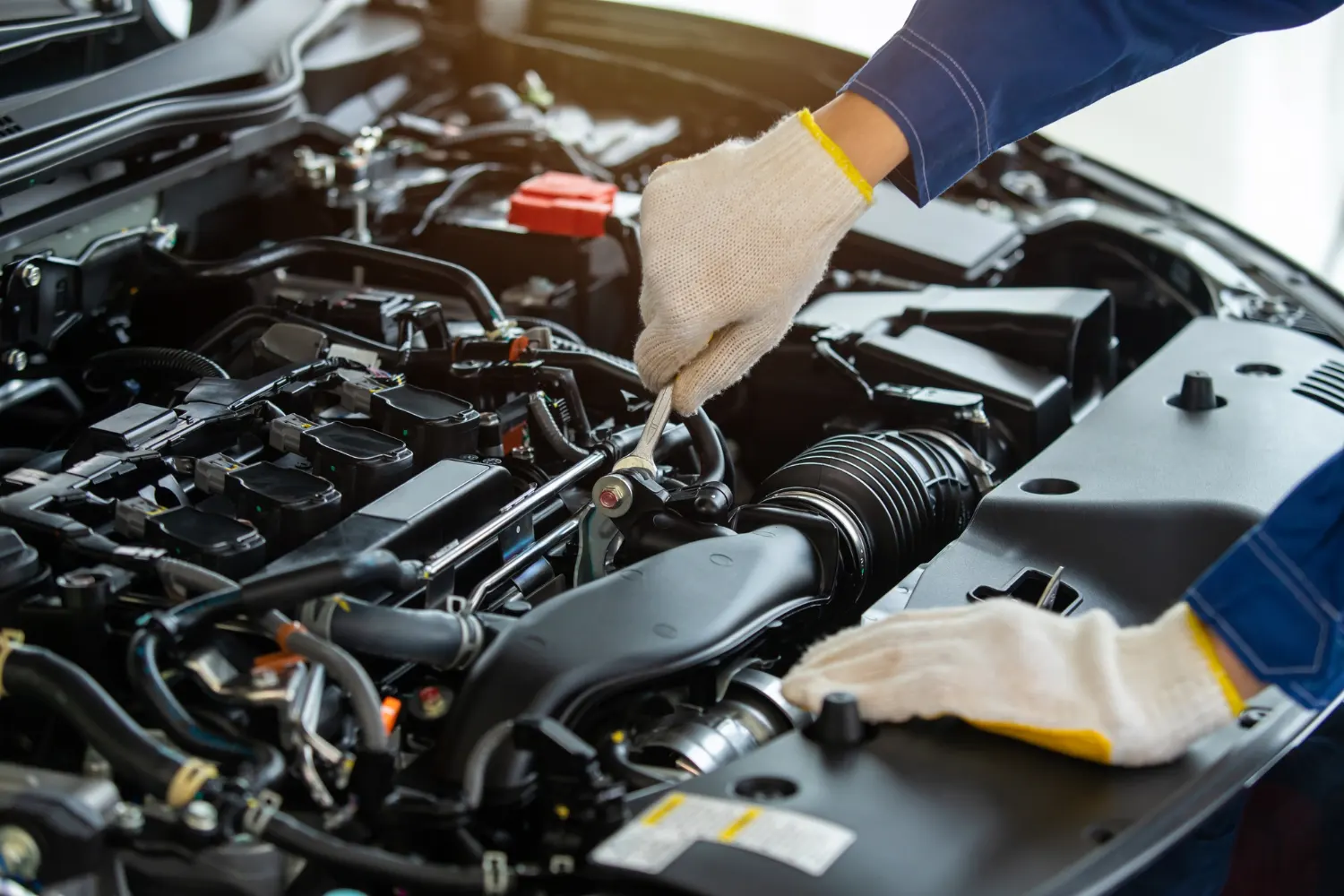
Most car problems do not happen suddenly. They build up slowly over months of skipped oil changes, ignored warning lights, and worn tires.
The good news is that you can prevent the majority of costly repairs with basic, consistent care. You do not need to be a mechanic. You just need to know where to start.
Routine upkeep protects your investment and keeps you safe on the road. That is what RoadCents is here to help you do.
Knowing how to maintain a car starts with understanding the basics. Most of it comes down to regular checks and timely replacements.
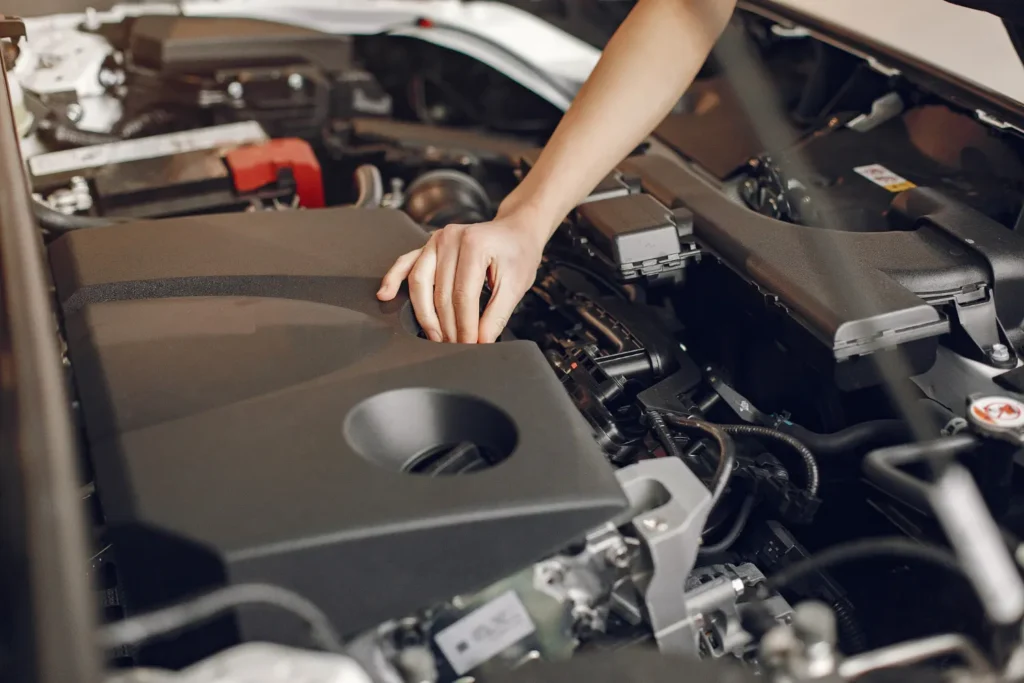
Your engine oil lubricates hundreds of moving parts. Check it every month and change it on schedule, usually every 5,000 to 7,500 miles depending on your vehicle.
Underinflated tires wear faster and hurt your fuel economy. Check pressure monthly and look at tread depth every few months.
If you hear squealing or grinding when you stop, do not wait. Brake pads are cheap. Rotors are not.
Most batteries last 3 to 5 years. If your car is slow to start or the lights dim when idling, have it tested before it leaves you stranded.
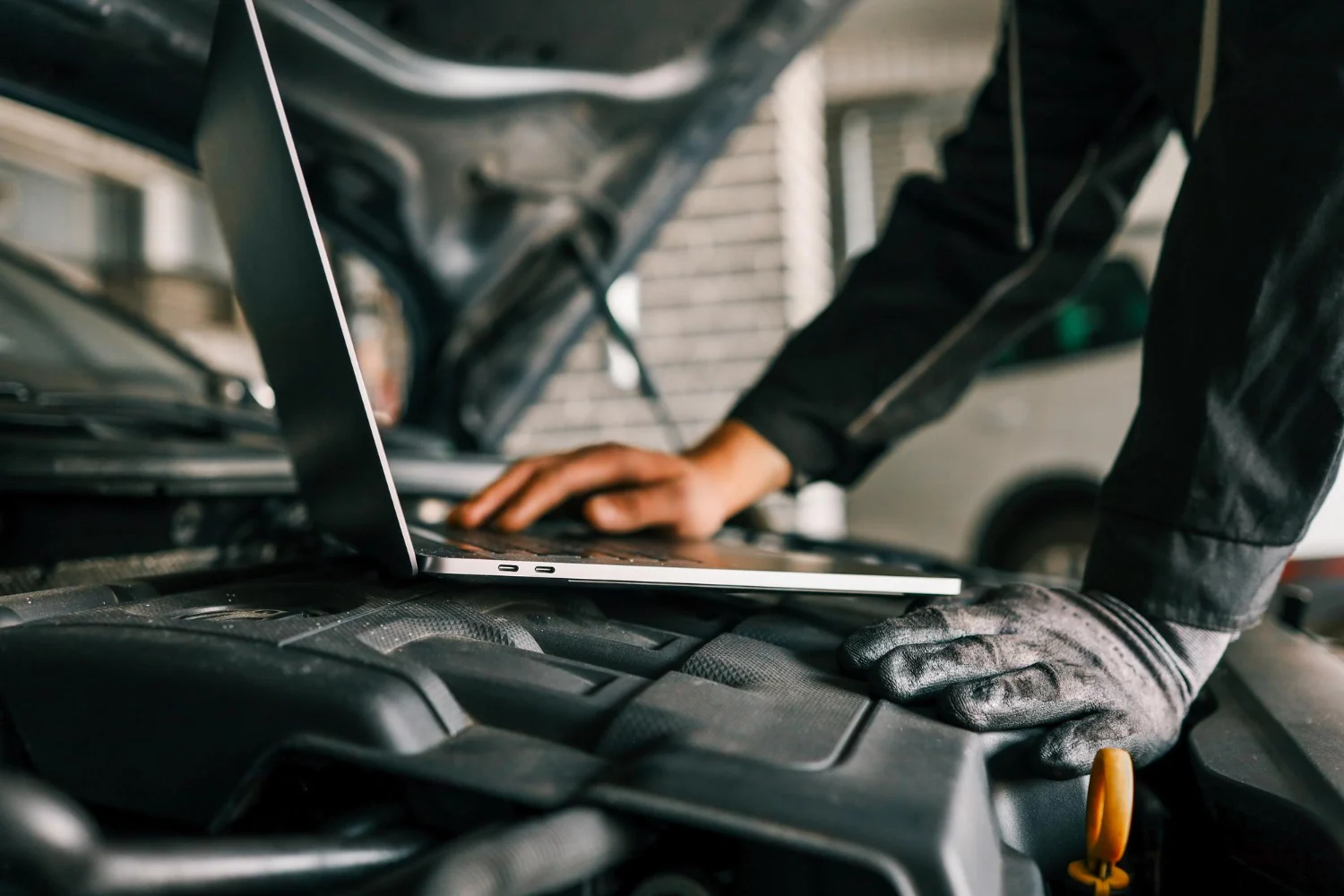
DIY car maintenance is more approachable than most people think. You do not need a lift or a full tool set to handle a lot of common jobs.
Changing your air filter takes five minutes and costs under fifteen dollars. Topping up windshield washer fluid and checking coolant levels are even simpler. Even an oil change is something many drivers learn to do at home with basic tools and a how-to guide.
Starting with small tasks builds your confidence and your knowledge of how cars work. Once you understand the basics, more involved repairs feel far less intimidating.
If you are in the market for a vehicle, a solid used car buying guide can save you thousands. Knowing what to look for, how to inspect a car, and when to walk away is just as valuable as knowing how to negotiate car price.
Before you buy, always check the vehicle history, inspect it in daylight, and take it for a real test drive. If something feels off, trust that instinct.
Learning how to negotiate car price is one of the highest-return skills you can develop as a buyer. Most people pay more than they need to because they skip this step or feel uncomfortable pushing back.
Research the fair market value before you walk in. Know what similar vehicles are selling for. And never show your hand by talking about monthly payments before you have locked in a price.
Small habits make a real difference in what you spend at the pump. Keeping your tires properly inflated, avoiding aggressive acceleration, and reducing excess weight in your car are all things you can start doing today.
Understanding how cars work also helps here. When you know why an engine uses more fuel under certain conditions, you naturally start driving in ways that reduce that waste.
You do not need to overhaul everything at once. Pick one area, whether that is checking your tire pressure, scheduling an oil change, or reading up on how to inspect a used car before your next purchase.
Build from there. Small steps taken consistently are what separate drivers who spend a fortune on repairs from those who keep their cars running strong for 200,000 miles and beyond.
RoadCents gives you clear, practical guidance at every stage of car ownership. No jargon. No fluff. Just what you need to know.